The Best AI Video Models in 2026: Types, Differences, and Where This Is All Going
AI video generation crossed a line sometime in the last year. It stopped being a novelty that produced five seconds of melting faces and became a production tool that real marketing teams, indie filmmakers, and social creators reach for daily. The gap between "interesting demo" and "I shipped this to a client" has mostly closed. But that also means the field is now crowded, fast-moving, and genuinely confusing to navigate — there is no single best model anymore, only a best model for a specific job.
This is a map of where things actually stand in mid-2026: the models that matter, how they differ, what each is good at, and where the whole category seems to be heading.
The shape of the field
Today's serious contenders cluster into a handful of names. Google Veo 3.1 and Kling 3.0 sit at the quality ceiling. Runway Gen-4.5 owns the pro-control niche. Seedance 2.0, Pika 2.2, and Luma Ray fill out specialized and indie-friendly tiers. And Sora 2, OpenAI's once-dominant entry, is in the unusual position of being both technically excellent and on its way out the door — more on that below.
The thing to understand before comparing specs is that these models are no longer differentiated mainly by raw fidelity. Most of them can produce a photoreal five-second clip. What separates them now is the surrounding capability: native audio, prompt adherence, multi-shot consistency, granular camera control, and price per second at volume.
The quality leaders: Veo 3.1 and Kling 3.0
If you want the most real-looking output with the least fighting, these two are the answer.
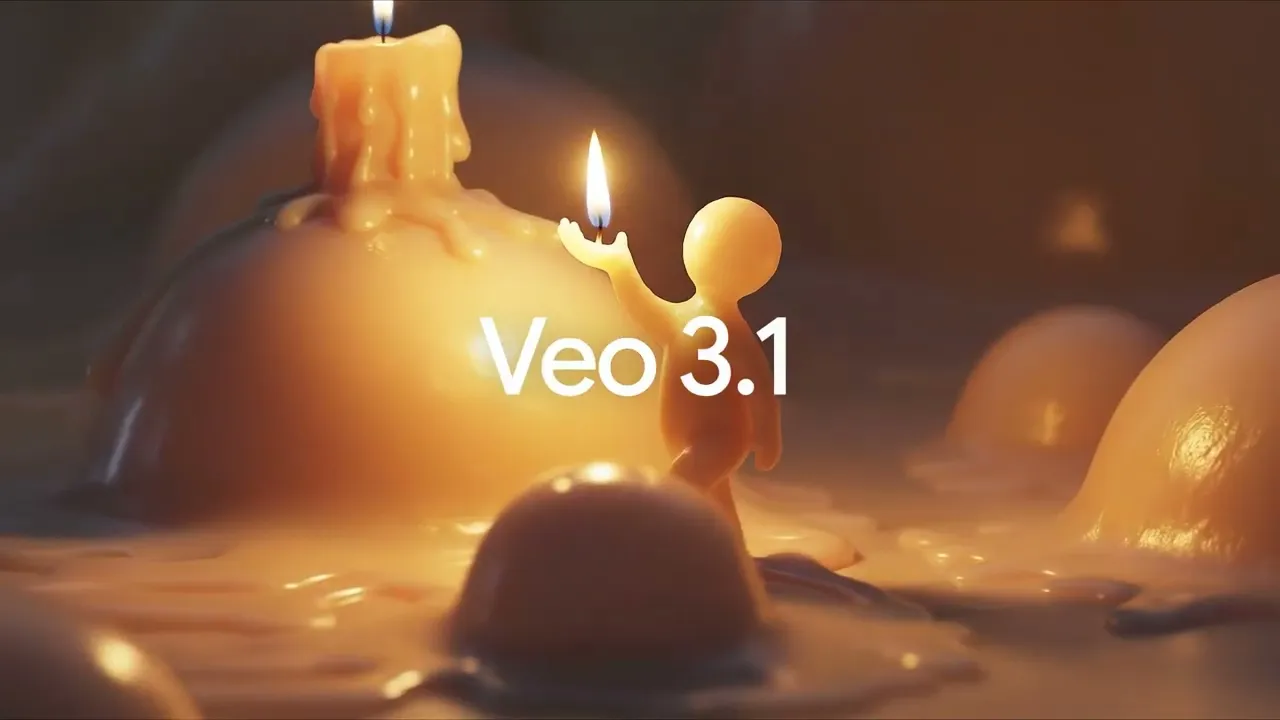
Google Veo 3.1 is the strongest all-rounder. It generates true 4K at 3840×2160, up to 60fps, and — critically — produces native synchronized audio in a single pass: ambient sound, dialogue, and effects generated together with the picture rather than dubbed on afterward. Its prompt adherence is the best in the field, which matters more than fidelity once you are doing real work, because a model that ignores half your prompt wastes more time than one that renders slightly softer. Pricing runs about $0.15 per second in fast mode and $0.40 per second standard. For marketing videos, product demos, and narrative scenes, Veo is the safe default.
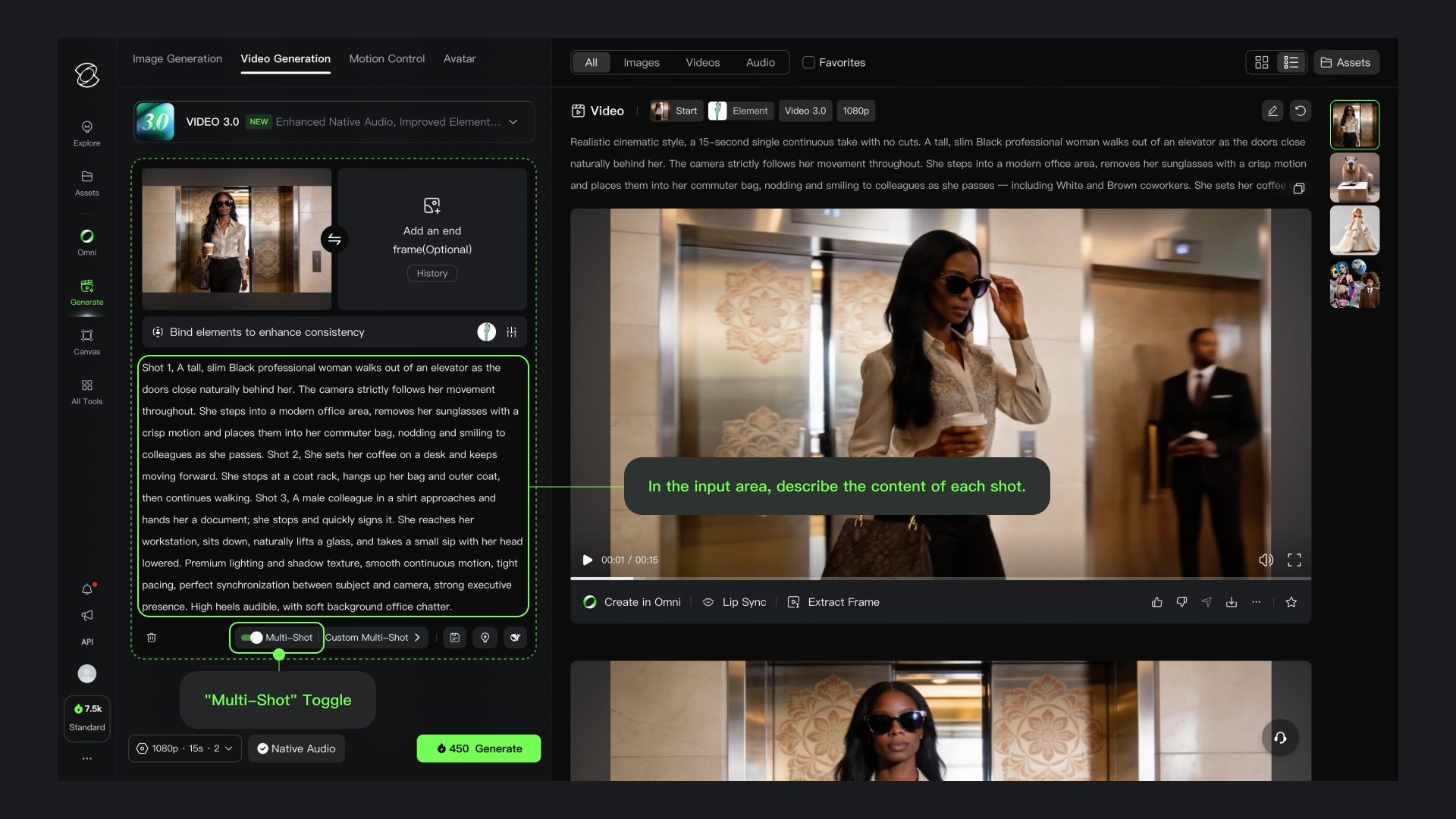
Kling 3.0, from Kuaishou, matches Veo on cinematic lighting and the hard stuff — hair, liquids, fabric, complex motion — and adds a multi-shot storyboard mode with audio synced across cuts. Its trump card is price: around $0.10 per second, the cheapest premium tier available. The catch is that it still performs noticeably better with Chinese prompts than English ones, so prompt engineering takes a little more care. For high-volume production and multi-shot narratives where budget matters, Kling is hard to beat.
The practical rule most teams have landed on: prototype on the cheap model, finish on the precise one. Kling for volume, Veo for the hero shot.
The control specialist: Runway Gen-4.5
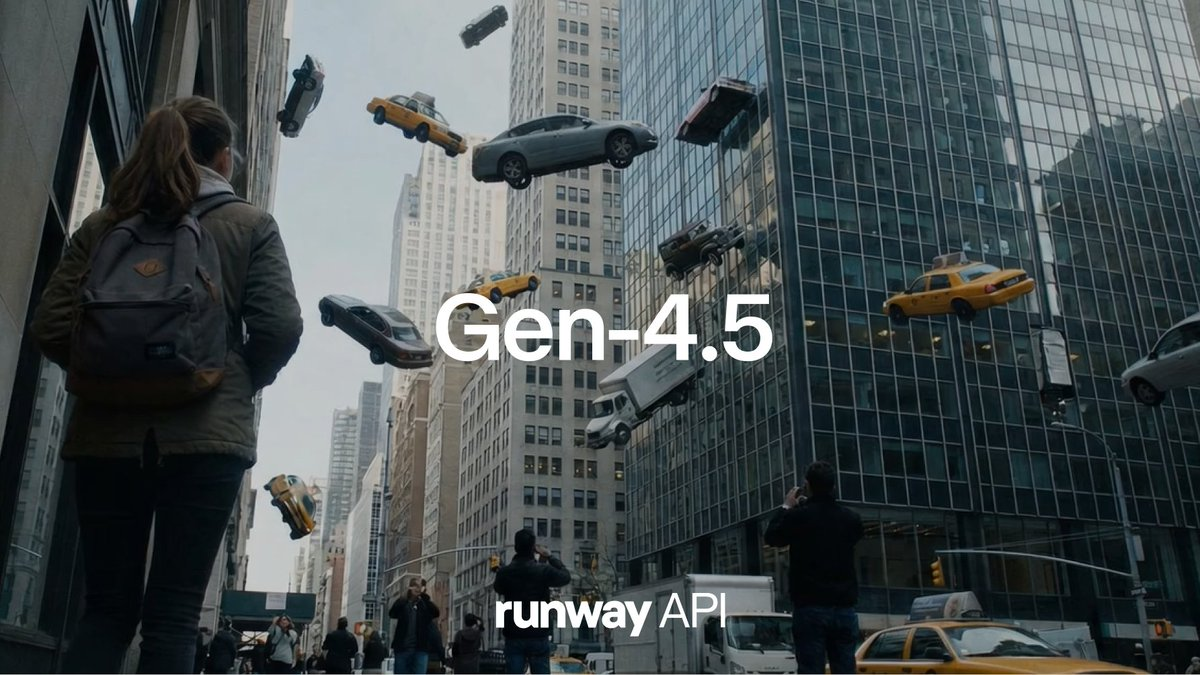
Runway took a different path. Instead of competing purely on fidelity, Gen-4.5 wins on control. It currently ranks #1 on the Video Arena leaderboard, but its real draw is the toolset: Motion Brush for painting movement onto specific regions, precise camera-move controls, and reference-driven character consistency across shots. If you are a filmmaker or motion designer who needs the camera to dolly exactly where you want and a character to look the same in shot 3 as in shot 1, this is the tool.
Runway also prices differently — credit-based subscriptions from roughly $15 to $95 per month, with a small free tier. That predictability suits indie creators better than per-second billing, though it is less efficient for very low-volume use.
The supporting cast
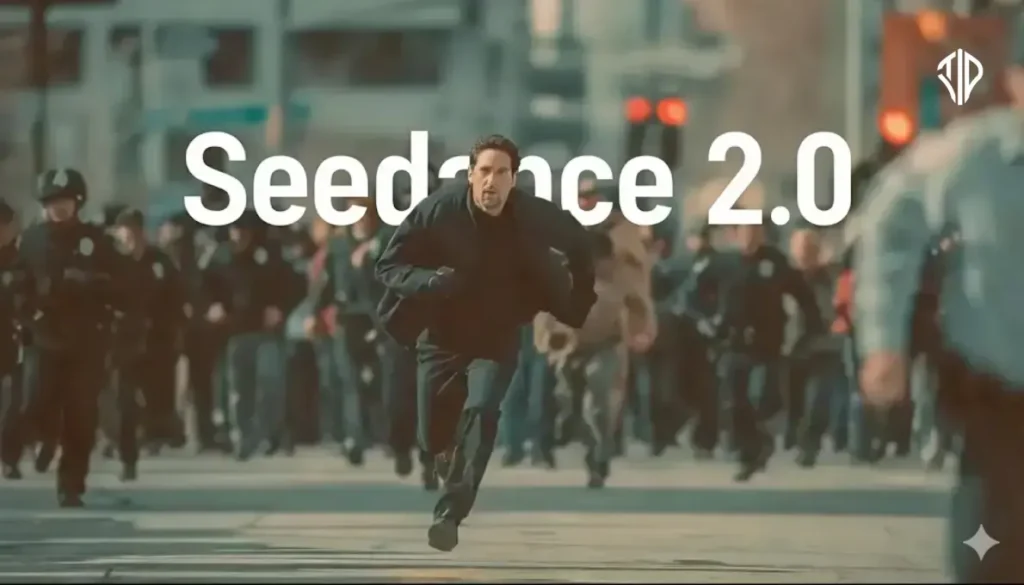
Below the leaders sit several models worth knowing. Seedance 2.0 is a capable specialty model, easy to reach through aggregators like fal.ai, useful for niche pipelines. Pika 2.2 optimizes for fast iteration and social-media formats rather than cinematic depth — great for volume, less for hero content. Luma Ray leans indie-friendly with an approachable interface, a solid choice when ease of use beats squeezing out the last 10% of quality. None of these is the best at anything in particular, but each is the right answer for someone with a specific constraint.
The Sora situation
The strangest story in 2026 video AI is Sora 2. OpenAI's model still produces some of the most photoreal, physically convincing clips on the market when handed a rich prompt — its physics simulation remains a genuine high point. And yet OpenAI announced it is winding the product down: the Sora web and app experiences shut down on April 26, 2026, and the API follows on September 24, 2026.
This is the clearest lesson in the whole space about platform risk. Sora 2's per-second cost — around $0.75, roughly five to ten times its competitors — never matched its quality lead closely enough to hold the market, and now it is leaving. The takeaway for anyone building on top of these tools: do not anchor a long-running project to a single closed model, however good it looks today. The model you standardize on should be one you trust to still exist in eighteen months, which right now favors Veo, Kling, and Runway over Sora.

How to actually choose
Strip away the leaderboard noise and the decision is simple:
Best all-around quality and audio: Google Veo 3.1.
Cheapest premium quality at volume: Kling 3.0.
Maximum creative and camera control: Runway Gen-4.5.
Fast social content: Pika 2.2.
Easiest on-ramp for indies: Luma Ray.
Most professional pipelines now use two or three of these together rather than committing to one, routing each shot to whichever model handles it best and cheapest.
Where this is heading
Three trends are worth watching. First, native audio is becoming table stakes — Veo and Kling generating synced sound in a single pass has reset expectations, and silent-output models will feel dated fast. Second, the unit of generation is growing from single clips to multi-shot sequences with maintained continuity, which is what turns these from clip generators into actual storytelling tools. Third, and most consequential, price per second keeps falling — Kling at $0.10 already makes volume production viable in a way that was unthinkable a year ago, and that curve is not done.
The honest assessment is that the technology is no longer the bottleneck for most use cases; taste and direction are. When anyone can generate a photoreal clip from a sentence, the scarce skill shifts to knowing what to ask for, how to sequence it, and when the result is actually good. The models will keep getting better. The interesting question in 2026 is no longer whether AI can make convincing video — it plainly can — but what we choose to make with it.
Sources: Get AI Perks — Best AI Video Generators 2026, DIYAI — Best AI Video Tools, OpenCreator — AI Video Models Comparison 2026.