Is an agreement to end the US-Iran war imminent? 60-day ceasefire MOU
US-Iran war, how did it get here?
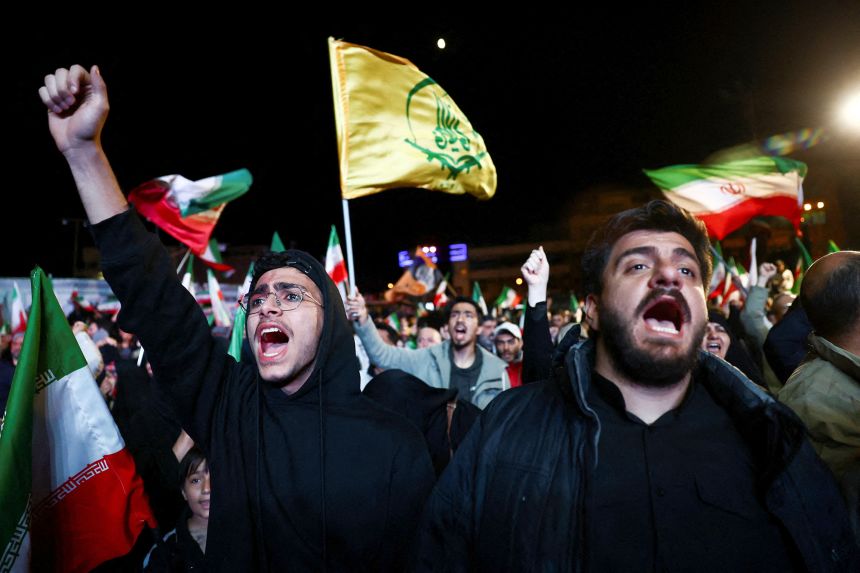
The war began on February 28, 2026, when the United States and Israel simultaneously struck Iranian nuclear facilities and military bases. The assassination of Supreme Leader Ali Khamenei, the blockade of the Strait of Hormuz, and Iran's retaliatory missile launches from U.S. military bases and Gulf countries led to the largest crude oil supply shock since the 1970s.
A brief summary of the main diary of the war is as follows.
- February 28 — US-Israel operation ‘Epic Fury’ begins, Iran responds with ‘True Promise IV’
- Mid-March — Energy infrastructure, including Rastanura (Aramco) oil refinery and Qatar gas facility, was hit.
- March 18 — South Pars gas field attacked, global LNG prices soar
- April 8 — First two-week ceasefire mediated by Pakistan.
- April 13 — Ceasefire breaks down, U.S. military begins naval blockade of Iran
- April 16 — Israel-Lebanon ceasefire takes effect
- Late April to early May — Trump says "resumption of war may be necessary", heightening tensions
- May 6 — 14-point MOU draft reported (Axios)
- May 28-29 — Tentative agreement on 60-day ceasefire, pending Trump's final approval
Key contents of MOU ending May 29
The gist of the memorandum of understanding reported by Axios, Reuters, AP, etc. is as follows.
| truce period | 60-day extension |
| Strait of Hormuz | Iran guarantees removal of mines within 30 days and passage of ships without charging tolls |
| U.S. action | Gradual lifting of maritime blockade of Iranian ports, easing of some sanctions |
| nuclear negotiations | Negotiations resume over Iran's nuclear program during ceasefire period |
| highly enriched uranium | Reviewing ways to export overseas (possibility of relocating some to the U.S.) |
| local peace | Includes provisions related to ending the Hezbollah-Israel conflict |
According to the United States, most of the negotiations were concluded on May 26, and the Iranian leadership also completed internal approval. However, President Trump has circulated the draft to allies and requested a few more days to review it.
Iran's subtle denial
Iran's semi-official Tasnim news agency reported that "the text of the memorandum of understanding has not been finalized," and that "no mediator Pakistan has been notified of finalization of the text." The United States appears to be trying to maintain its upper hand in negotiations by simultaneously bringing out additional pressure cards, such as blocking the landing and refueling of two Iranian airlines and imposing sanctions on Iran's newly established 'Persian Gulf Strait Authority'.
Why the Market Reacted
Immediately after the first MOU was reported on May 6, international oil prices immediately fell, the U.S. stock market (especially semiconductors) rose, bond yields fell, and the dollar index returned to pre-war levels. Even after this report on May 29, oil prices responded immediately. This is because expectations for the normalization of the Strait of Hormuz = expectations for the normalization of the global supply chain.

Points to check in the future
- Trump's final approval or not - late May to early June is the turning point
- Official announcement from Iran's parliament and supreme leadership — Is Tasnim's denial a negotiating gesture or an actual rupture?
- Results of Pakistan Foreign Minister-Secretary of State Rubio meeting (scheduled for May 29)
- Whether or not mine removal in the Strait of Hormuz is actually implemented — the first test of the reliability of the MOU
- Oil price, exchange rate, and semiconductor sector reaction — Additional momentum as the previous scenario progresses